Counter-Depth vs Standard-Depth Refrigerators: What Actually Fits
The most common fridge-buying mistake in Canada is a depth mistake. Here is how to measure, what the labels really mean, and when counter-depth is worth the tradeoff.
The 6-inch mistake
"Counter-depth" is one of the most misunderstood labels in appliances. It describes a cabinet built to sit closer to flush with surrounding counters than a standard-depth box — but the actual depth, and how far doors and handles project beyond the cabinet, are properties of the individual model. Take both figures from the specification for the exact model you are considering rather than from a general range.
That is not a footnote, it is the whole game. The three numbers a spec sheet can call "depth" — case only, with doors, with handles — differ by up to half a foot on the same unit. Before comparing anything, find out which one each listing is quoting. The appliance measurement guide covers how to measure your side of the equation.
Measure these four things before shortlisting
- Counter depth to the wall — not to the backsplash.
- The opening width at its narrowest point, including trim.
- Door swing clearance — can the fridge door open past 90° before hitting a wall or island? French-door models need less swing room per door; full-width doors need more.
- The path in: every doorway, hallway turn, and stair the unit travels on delivery day. A fridge that fits the kitchen but not the hallway goes back on the truck.
What you trade for flush
Counter-depth is a layout decision, not a style upgrade — and the trade is measurable, so we measured it in our own catalog rather than repeating an industry rule of thumb.
Measured across the 36-inch-wide refrigerators ApplianceIQ tracks (as of October 27, 2026): the 33 counter-depth models hold a median 22.6 cu ft, while the 43 standard-depth models — those deeper than 33 inches — hold 26.8 cu ft. That is roughly a 16% capacity trade for the flush fit, at the same width.
The capacity difference between a counter-depth model and a standard-depth one in the same family is real, and it is published: compare the stated cubic-feet figures for the two specific models rather than assuming a fixed penalty. How much that matters depends on how you shop and how much you store.
What flush costs
The premium is not just capacity. Counter-depth models also price higher, model for model, at the same width:
Among the same 36-inch cohort (as of October 27, 2026), the 22 counter-depth models with a live Canadian price have a median lowest price of $2,716, against $2,497 for the 18 standard-depth models — about a $219 premium for flush.
Median-versus-median is a fair fight — it is not one luxury flush model dragging the average up. Flush costs more per cubic foot from both directions: you pay more and store less. What you buy with that money is the built-in look and a walkway that works.
When counter-depth is forced, and when standard wins
Forced: galley kitchens and island layouts where a standard-depth box would narrow the walkway below what the space can take; open-concept sightlines where the fridge is visible from living areas. Measure your own clearances — the workable aisle depends on your kitchen, not on a single published number.
Standard wins: families that provision weekly, kitchens where the fridge sits at the end of a run or in an alcove where depth is invisible, and any budget where the flush premium buys more useful upgrades — a better compressor warranty, a water line install, or simply the groceries themselves.
Neither depth is the default. Standard depth generally prioritizes capacity and value; counter-depth prioritizes alignment with the surrounding cabinetry and the floor space that buys back. Which trade-off is right depends on the layout you actually have.
One more measurement either way: counter-depth still needs the model-specific connection and clearance space behind it. Flush against the wall is not zero clearance, and an ice-and-water model has its own water-line requirement. Check the installation guide for the exact model.
Check the spec sheet, not the photo
ApplianceIQ shows available dimensions with evidence labels. A retailer-reported or unverified field is not a manufacturer-confirmed measurement. Use the exact model's manufacturer installation guide and confirm the delivery and installation requirements with the responsible provider.
Counter-depth models we're tracking
Real counter-depth refrigerators ApplianceIQ tracks with verified Canadian prices — updated as coverage changes.
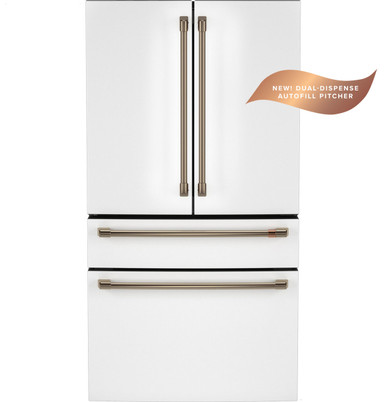 CaféCafé™ Energy Star® 23.2 Cu. Ft. Smart Counter-Depth 4-Door French-Door Refrigerator With Dual-Dispense AutoFill Pitcher - CJE23DP4WW2Check current store pricesView details →
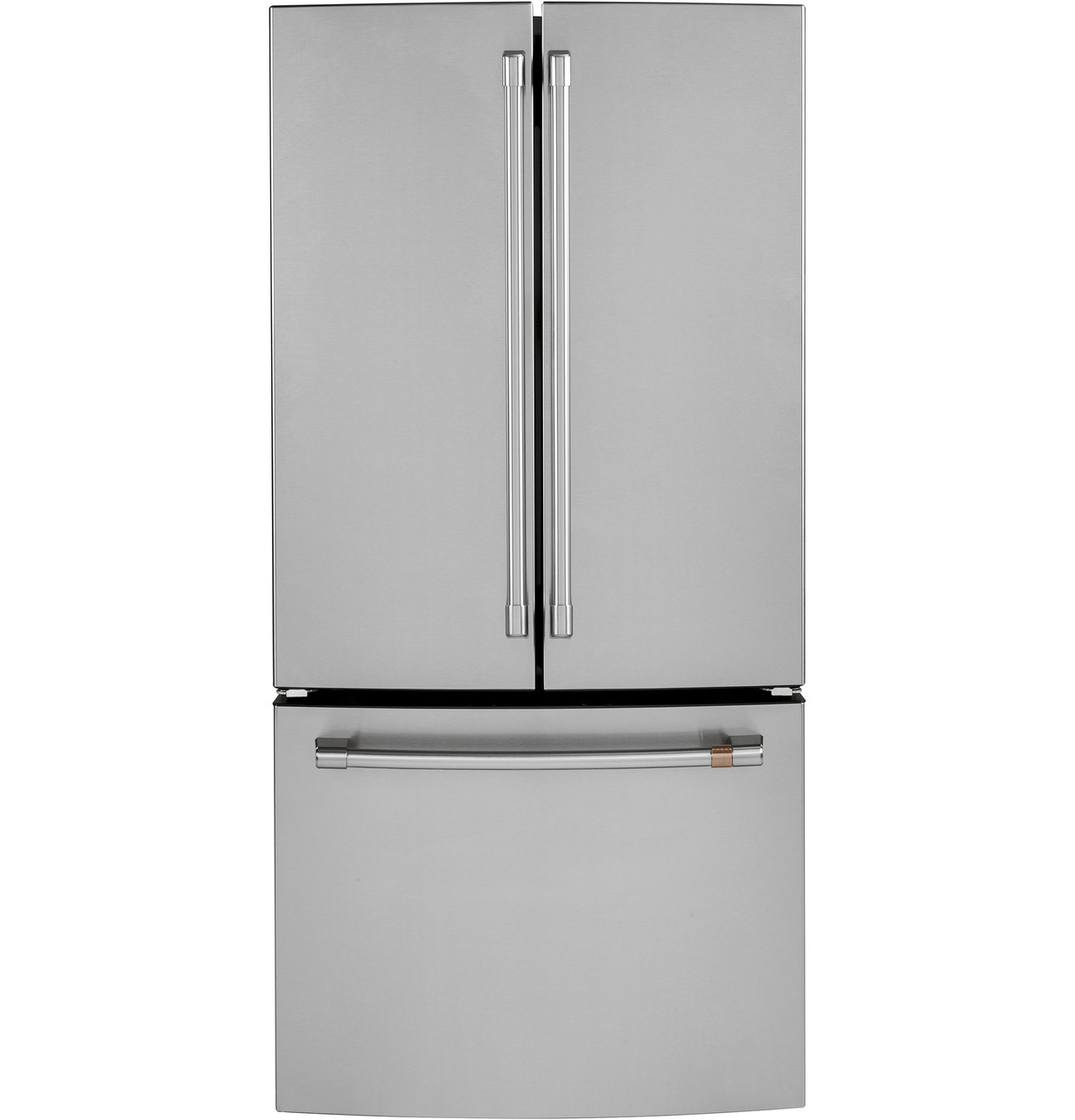 CaféCafé French-Door Refrigerator CWE19SP2NS1Check current store pricesView details →
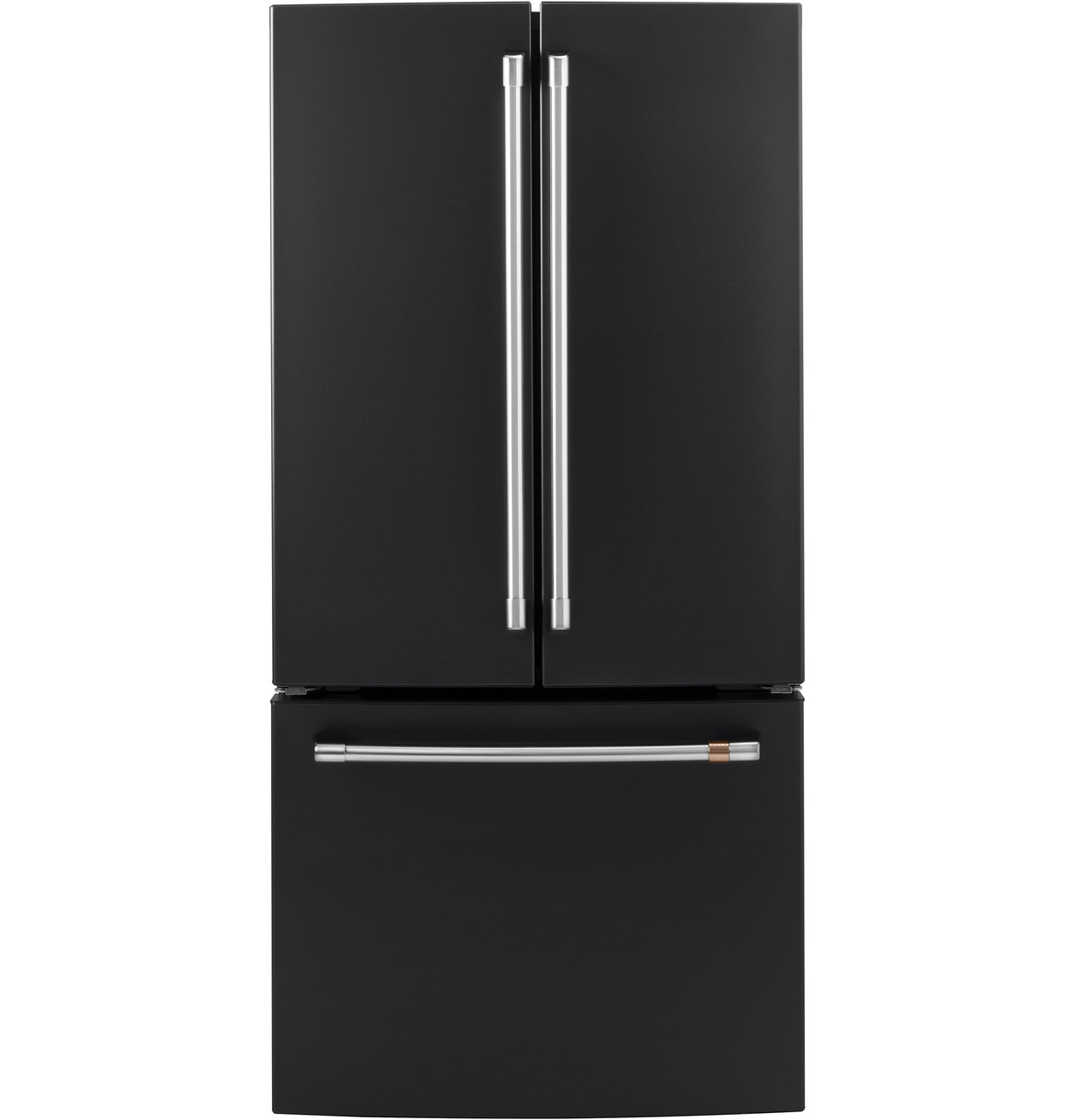 CaféCafé French-Door Counter-Depth Refrigerator CWE19SP3ND1Check current store pricesView details →
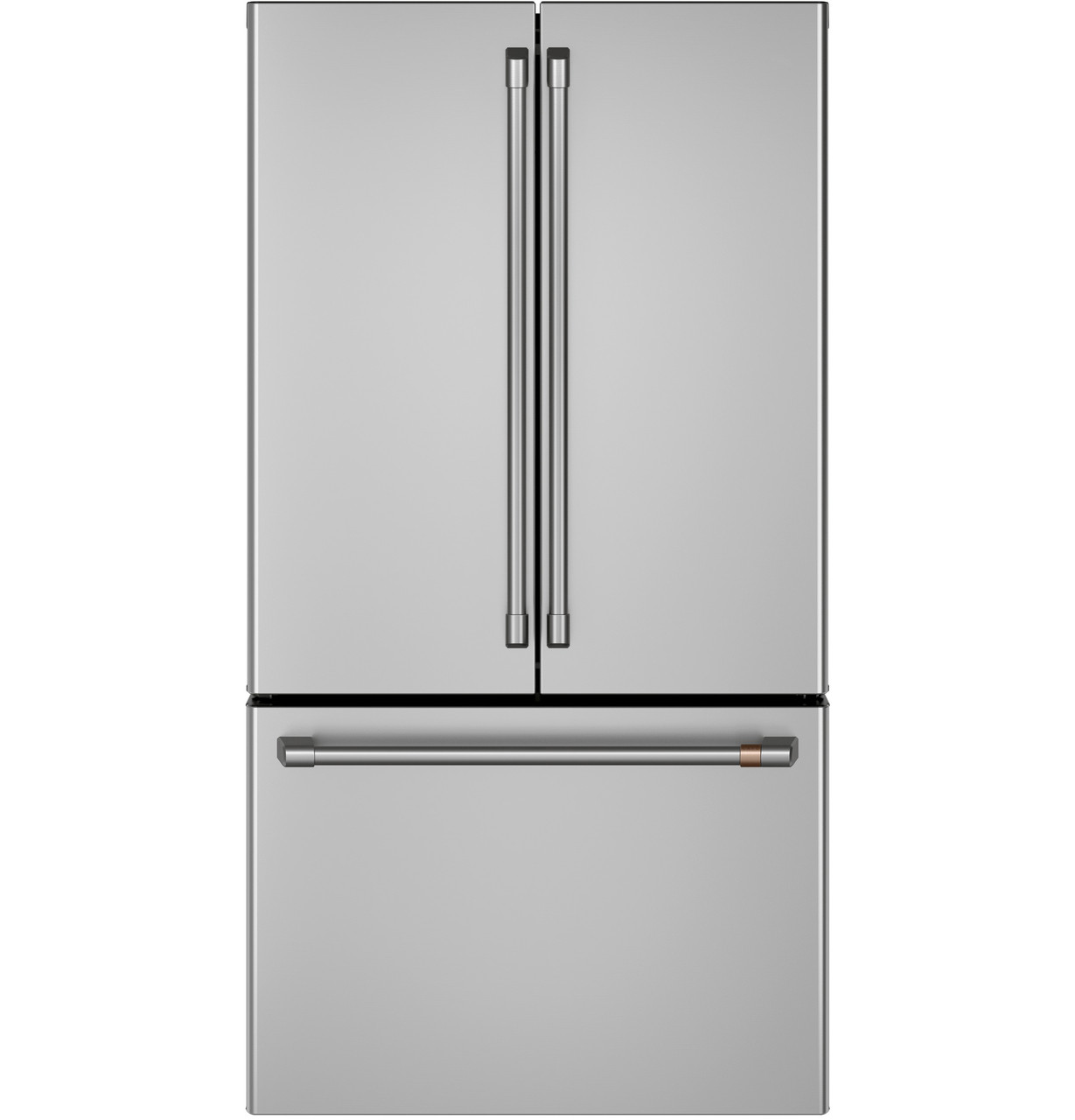 CaféCafé French-Door Refrigerator CWE23SP2MS1Check current store pricesView details →
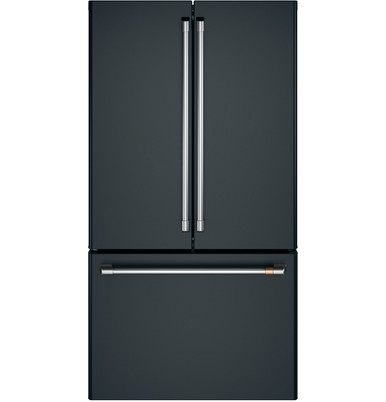 CaféCafé™ Energy Star® 23.1 Cu. Ft. Smart Counter-Depth French-Door Refrigerator - CWE23SP3MD1Check current store pricesView details →
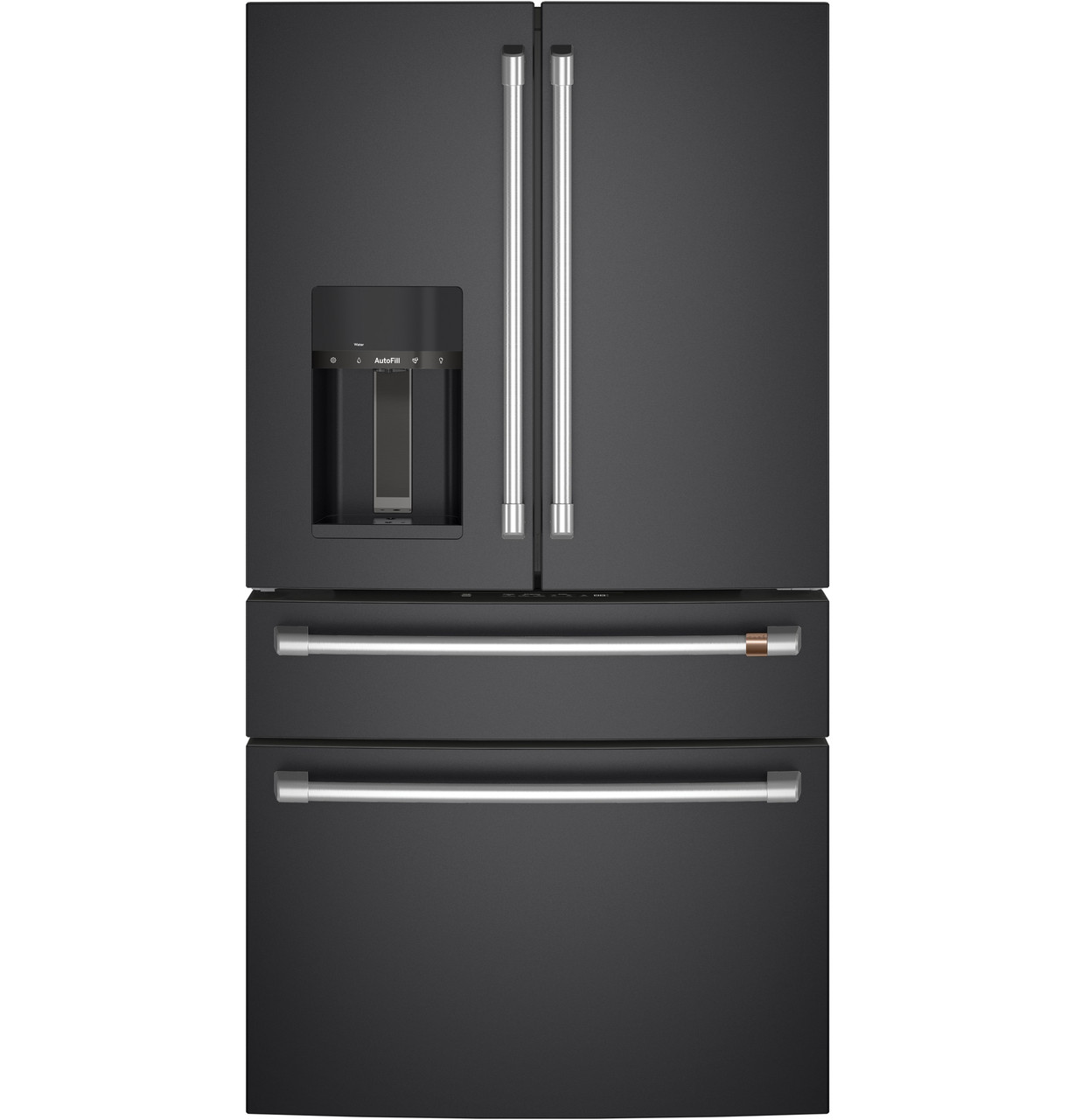 CaféRéfrigérateur à Portes Françaises Café (CXE22DP3PD1) - Noir MatCheck current store pricesView details →
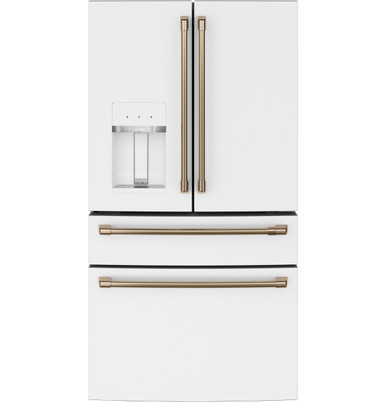 CaféCafé™ Energy Star 22.3 Cu. Ft. Smart Counter-Depth 4-Door French-Door Refrigerator - CXE22DP4PW2Check current store pricesView details →
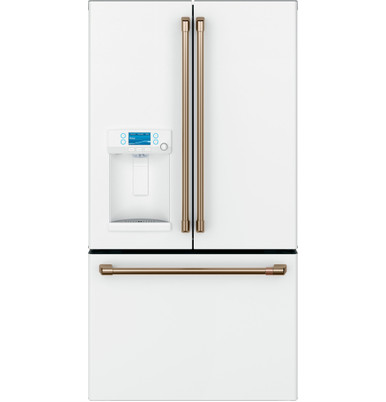 CaféCafé™ Energy Star® 22.1 Cu. Ft. Smart Counter-Depth French-Door Refrigerator with Hot Water Dispenser - CYE22TP4MW2Check current store pricesView details →
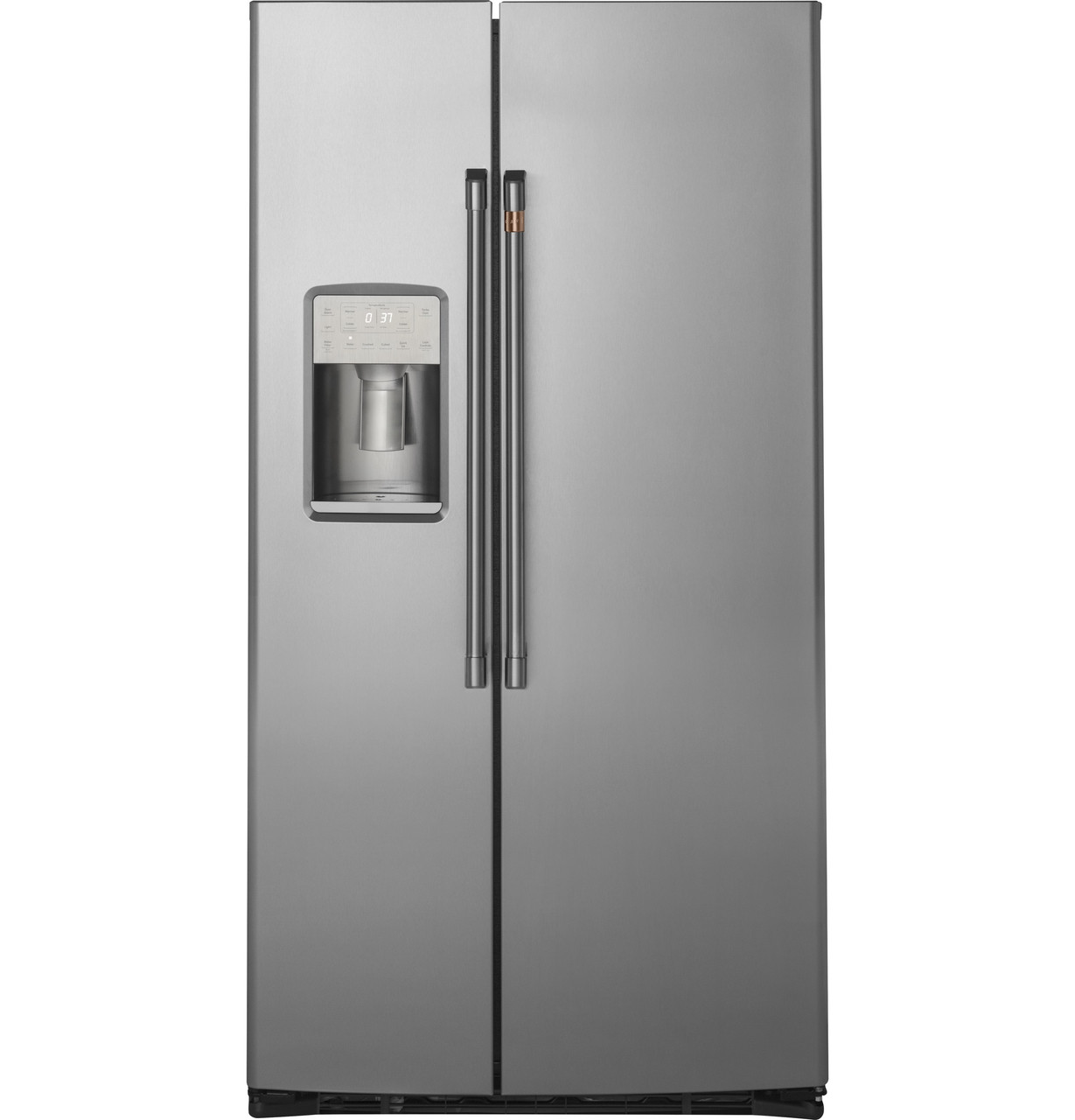 CaféCafé CZS22MP2NS1 36" Counter-Depth Side-by-Side RefrigeratorCheck current store pricesView details →
Refrigerators
Exact product image unavailable
ElectroluxElectrolux 23 Cu. Ft. Counter-Depth French Door Refrigerator - Stainless Steel ( ERFC2393AS )Check current store pricesView details →- FrigidaireFrigidaire 36 In. 22.6 Cu Ft. French Door Refrigerator FRFC2323ASCheck current store pricesView details →
Refrigerators
Exact product image unavailable
FrigidaireFrigidaire FRFG2011AV 20 Cu. Ft. Counter-Depth French Door RefrigeratorCheck current store pricesView details →
Counter-depth models to compare
ApplianceIQ currently tracks 36 counter-depth refrigerators with a live Canadian price (as of October 27, 2026) — the models the comparison below draws from.
Real counter-depth refrigerators ApplianceIQ tracks, with live Canadian pricing:
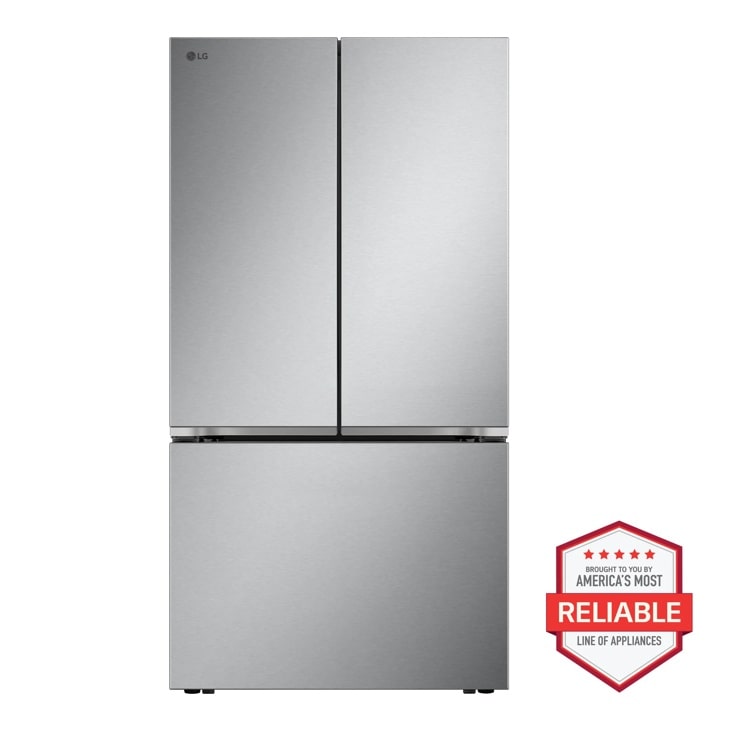
Prefer maximum capacity over a flush look? A standard-depth model for contrast: