Gas vs. Induction: How to Choose a Range Without the Chef Mythology
Most people choose a range by cooking identity — "real cooks use gas" — instead of performance, ventilation, and hookups. A former appliance operations manager on the myths, the simmer test, and what BTUs actually tell you.
By ApplianceIQ · Last updated Jul 5, 2026
Most people choose a range based on identity, not performance. "Real cooks use gas" is the assumption, and it drives more purchases than any spec sheet. Having spent years on the operations side of Canadian appliance retail, I can tell you that's the biggest cooking mistake there is — choosing a range on chef mythology instead of on how it actually performs, how it vents, what cookware you own, and what your kitchen is wired for.
Here's how to choose the range you'll actually cook better on.
Gas vs. induction: don't buy on chef mythology
The belief that gas is automatically the premium, "serious" choice is the single most expensive assumption in range buying — and the performance data doesn't support it. Induction heats your cookware directly through a magnetic field rather than heating the air around it, and the U.S. Department of Energy's testing shows induction can boil water roughly 20–40% faster than gas or traditional electric cooktops. It's also more responsive: change the setting and the heat changes almost instantly, closer to gas's famous responsiveness than most people expect — often better.
Gas has real strengths (visible flame, works in a power outage, familiar feel), but it also carries a consideration people rarely factor in at the showroom: combustion. The EPA lists gas stoves among indoor sources of combustion products including carbon monoxide, nitrogen dioxide, and fine particles. This isn't a political point — it's a kitchen-performance and indoor-air point, and it's why ventilation matters more with gas (more on that below).
The honest takeaway: choose based on how each performs for your cooking and your kitchen, not on which one feels more "chef." For a lot of home cooks, induction quietly outperforms the gas range they assumed was the upgrade.
BTUs are the horsepower number
Here's the spec everyone fixates on and misreads. BTU tells you maximum heat — the ceiling. It does not tell you control, and control is what daily cooking is actually made of.
A giant power burner helps you boil a big pot fast and get a hard sear. That's real, but it's a fraction of what you do at the stove. Customers routinely overvalue the highest-BTU burner and undervalue the things that matter far more often: how low the burner will simmer, how the burners are spaced (can you fit a stockpot and a skillet side by side?), how evenly the oven holds temperature, how it preheats, how it cleans, and how it vents. A range with a monster front burner and a poor simmer is worse for everyday cooking than a moderate one with precise low control. Read BTU as horsepower — useful to know, but not the measure of a good drive.
The simmer test: the feature serious cooks forget to ask about
If you take one question to the showroom, make it this: how low and how steadily will it go? The simmer is where real cooking lives, and it's the thing almost no one tests before buying.
Ask whether the range can melt chocolate without seizing it, hold a delicate sauce without breaking it, keep rice or a curry warm without scorching the bottom, and maintain a bare simmer on a stock for hours. High heat is easy to engineer; gentle, stable low heat is where ranges genuinely differ. Induction tends to excel here (precise, low, stable), and better gas ranges offer a true simmer burner. If a salesperson can only talk to you about the big burner's BTUs, you're asking about the wrong end of the dial.
Before you buy induction: the magnet, panel, and pan tests
Induction is excellent, but it has three practical checks you must clear first — and finding out after delivery is a bad day.
The magnet test: induction only works with magnetic cookware. Stick a fridge magnet to the bottom of your pots and pans — if it grabs firmly, they'll work; if it doesn't (many aluminum, copper, and some stainless pieces), they won't, and you'll be buying new cookware. Factor that cost in.
The panel/electrical test: induction ranges need the right electrical hookup — typically a dedicated 240V circuit. Confirm your kitchen has it (or budget for an electrician). This is a real, common surprise.
The pan test: even magnetic pans perform best when flat-bottomed and sized to the element. Warped or undersized pans work poorly on induction. Check that your good pans sit flat.
Clear all three and induction is a joy. Skip them and you've bought a range you can't use with the kitchen and cookware you have.
The hidden cost of gas: ventilation is part of the appliance
If you do choose gas, understand that the range isn't the whole purchase — proper ventilation is part of it. Because gas combustion releases the products the EPA notes above, a gas range really wants a range hood that vents outside (not a recirculating filter), sized to the cooktop and actually used. Think of the hood as part of the appliance's cost and its footprint, not an optional accessory. Budgeting for a real vented hood is part of buying a gas range honestly — and it's a genuine kitchen-performance issue, not just an air-quality one (it also handles heat, steam, and grease).
Slide-in vs. freestanding: the gap, trim, and countertop problem
People treat this as a pure style choice, and installation says otherwise. Freestanding ranges have finished sides and a back control panel — they drop in almost anywhere and are the flexible, budget-friendly default. Slide-in ranges are designed to sit flush between cabinets with the controls on the front, for that seamless built-in look — but they assume a specific cabinet opening and countertop configuration, and they often need the counter to overlap the edges to hide the gap.
The install can get genuinely annoying if your cabinetry wasn't built for a slide-in: gaps on the sides, trim kits, or countertop modifications. Before you fall for the flush look, confirm your opening actually fits a slide-in's requirements — or you'll be paying for cabinet or counter work you didn't expect.
The bottom line
Choose gas or induction on performance and your kitchen's realities, not on cooking-identity mythology — induction outperforms more often than people assume. Read BTU as horsepower, and judge a range by its simmer, burner layout, and oven, not its biggest number. If you go induction, clear the magnet, electrical, and pan tests first. If you go gas, budget for real ventilation. And check your cabinetry before choosing slide-in. The best range isn't the one that looks most like a chef's — it's the one that performs the way you actually cook.
Compare ranges with real specs
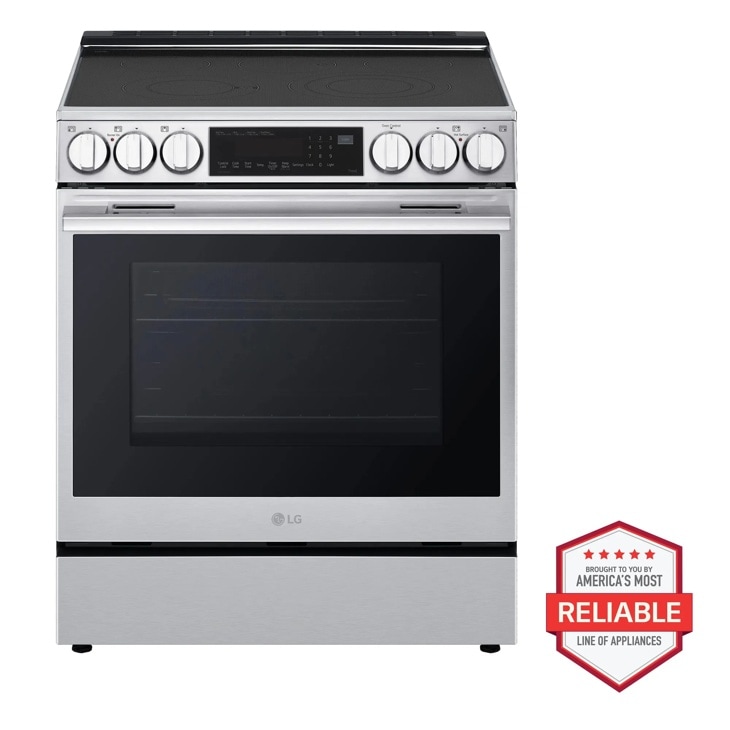
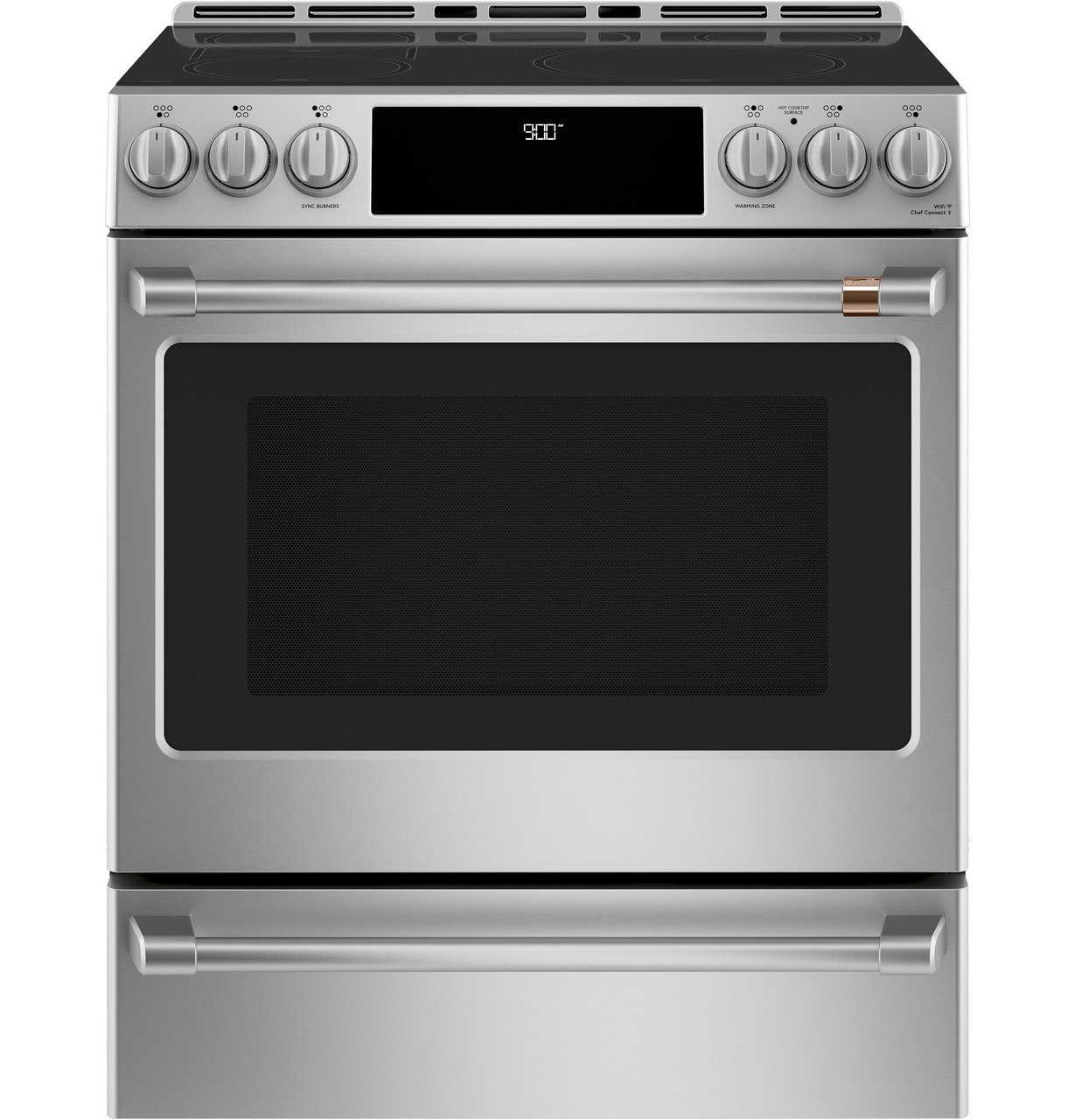
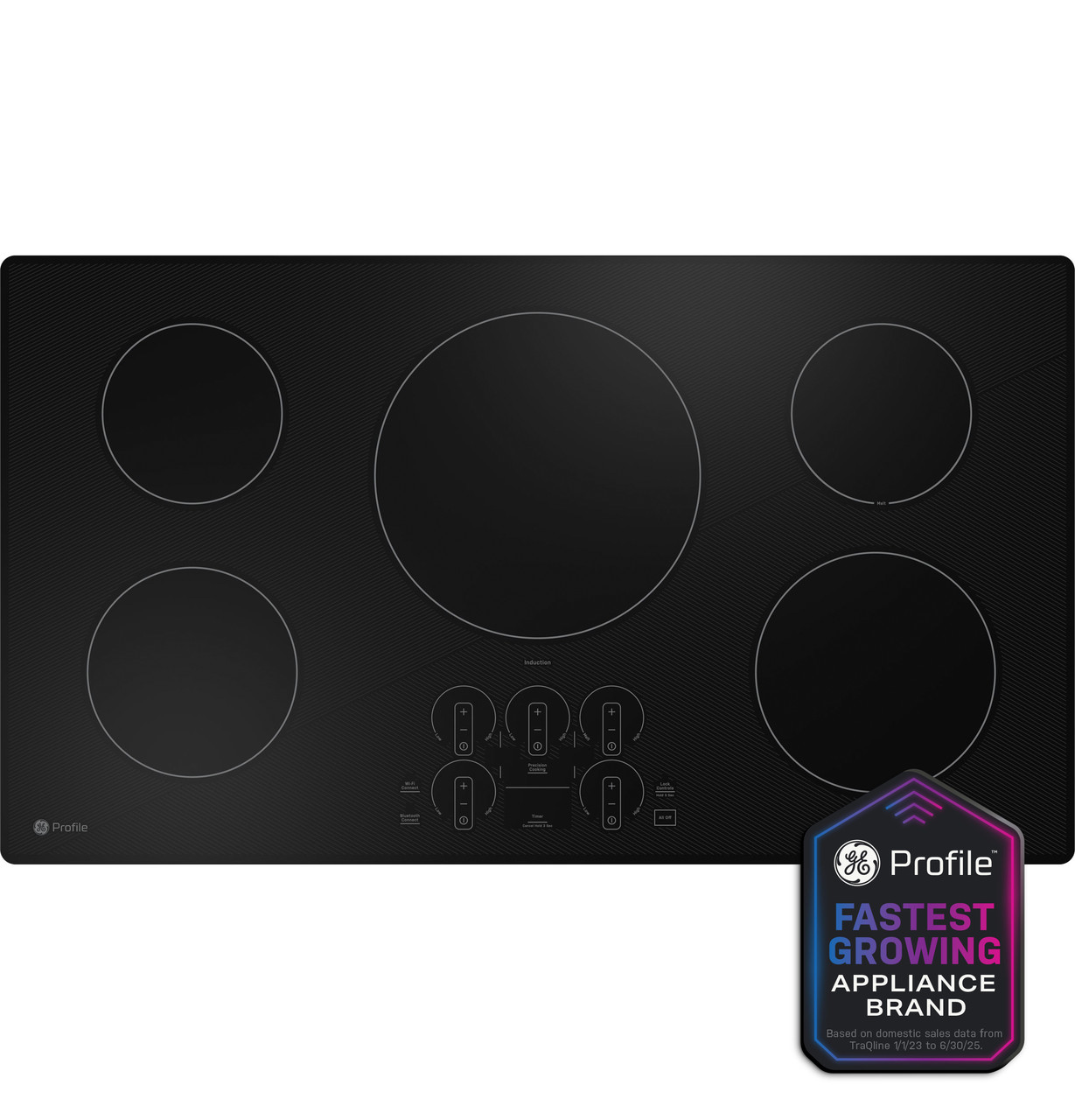
ApplianceIQ lists real, verified specifications for the models below — fuel type, dimensions, and the details that determine fit and hookups. Choose on performance, not mythology.