How to Choose a Refrigerator: The Fit-vs-Function Mistakes That Cost You
Most people measure the opening and stop there. A former appliance operations manager on the refrigerator-buying mistakes that only show up after delivery — the 90-degree door test, counter-depth regret, and why cubic feet lie.
By ApplianceIQ · Last updated Jul 5, 2026
Most people buy a refrigerator by measuring the opening and checking the cubic feet. Then it arrives, and the real problems show up — the door won't open wide enough to pull the crisper drawer, or the beautiful counter-depth model they picked can't hold a party tray. Having spent years on the operations side of Canadian appliance retail, I can tell you the single biggest refrigerator mistake isn't measuring wrong. It's measuring the box instead of the life — not testing how the fridge will actually open, load, and live in your kitchen.
Here's how to avoid the regrets I watched customers hit again and again.
The 90-degree door test: the fridge that fits but doesn't work
This is the one that breaks hearts on delivery day. A customer measures the space perfectly, the fridge slides right in — and then the door can't open wide enough to remove the drawers or shelves. If the fridge sits next to a wall, a cabinet, or an island, the door may only open to 90 degrees, and on many models the crisper and freezer drawers can't clear their own runners at 90 degrees.
Before you buy, check the door-swing clearance, not just the width. Ask: with the fridge in its actual spot, can the door open past 90 degrees? Can you fully extend the drawers? French-door models need less swing room per door; a single full-width door needs more. A fridge that technically fits but can't be loaded is worse than one an inch too big.
Counter-depth regret: the pretty fridge mistake
Let me be clear — this isn't anti-counter-depth. Counter-depth refrigerators look fantastic, sit nearly flush with your cabinets, and are the right call for a lot of kitchens. But you should go in knowing the tradeoff, because families, bulk shoppers, and meal-preppers often feel it immediately.
A counter-depth model typically gives up meaningful interior capacity compared to a standard-depth fridge of the same width — you're trading depth for that flush, built-in look. If you do a big weekly grocery haul, store bulk from Costco, or meal-prep in volume, that lost depth shows up fast as "where do I put everything." If your kitchen is about sightlines and you shop more frequently in smaller trips, counter-depth is a great fit. Just make the choice on purpose, not on looks alone.
Measure the path, not just the opening
The kitchen spot is only half the measurement. The other half is getting the fridge there. I've seen units that fit the kitchen perfectly go back on the truck because they couldn't make it through the front door or around a stairwell turn.
Before delivery, measure the entire path in: the front door, every doorway, hallway width, stair turns, railings, and any tight corner. Standard interior doors are often 30–32 inches; many fridges are 36. Doors can usually come off their hinges to buy an inch or two — railings and walls can't. Old-house layouts with narrow halls and tight landings are where this bites hardest. Measure the journey, not just the destination.
The pizza-box test: does it match your real life?
Cubic feet is an abstraction. It tells you volume, not whether the fridge holds your stuff. So instead of comparing numbers, picture your real life going in:
Do you store party trays and platters? Pizza boxes? Gallon jugs standing up? Tall meal-prep containers? Kids' snack bins? A week of leftovers? Bulk produce? A fridge with big total capacity but narrow shelves or a cramped door can fail the pizza-box test while a smaller, smarter layout passes it. Look at shelf spacing, door-bin depth, and whether there's a full-width shelf for wide items — that's what actually determines if it works for you.
French door vs. side-by-side: the real difference is what you store
People agonize over this as a style choice; it's really a storage-behavior choice.
Side-by-side gives you tall, narrow compartments on both sides — great for reaching everything at eye level, frustrating if you store wide items like party platters or a sheet cake, which simply won't fit the narrow bays.
French door gives you a wide fridge compartment up top (great for those wide items) with a freezer drawer below. The catch: some people dislike bending into a freezer drawer to dig for things, versus a vertical freezer they can see into.
Neither is "better" — it depends entirely on what you store and how you like to reach it. Wide items and fresh-food priority lean French door; eye-level organization and frequent freezer access lean side-by-side.
The bottom line
Measure the door swing, not just the width. Choose counter-depth on purpose, knowing the capacity tradeoff. Measure the whole path to the kitchen. Pick the layout around what you actually store. The fridge that works isn't the one with the biggest number — it's the one that opens, loads, and lives the way you do.
Compare refrigerators with real specs
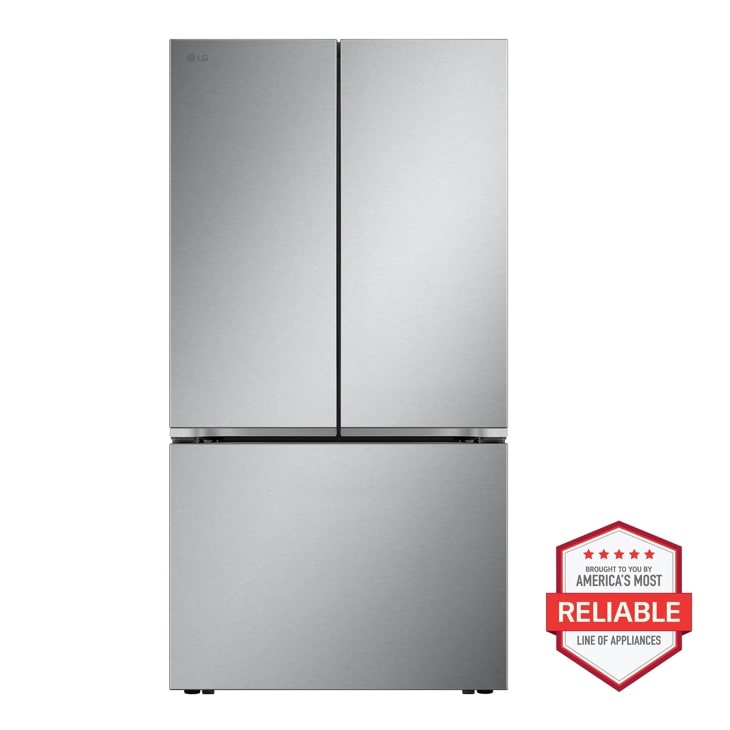
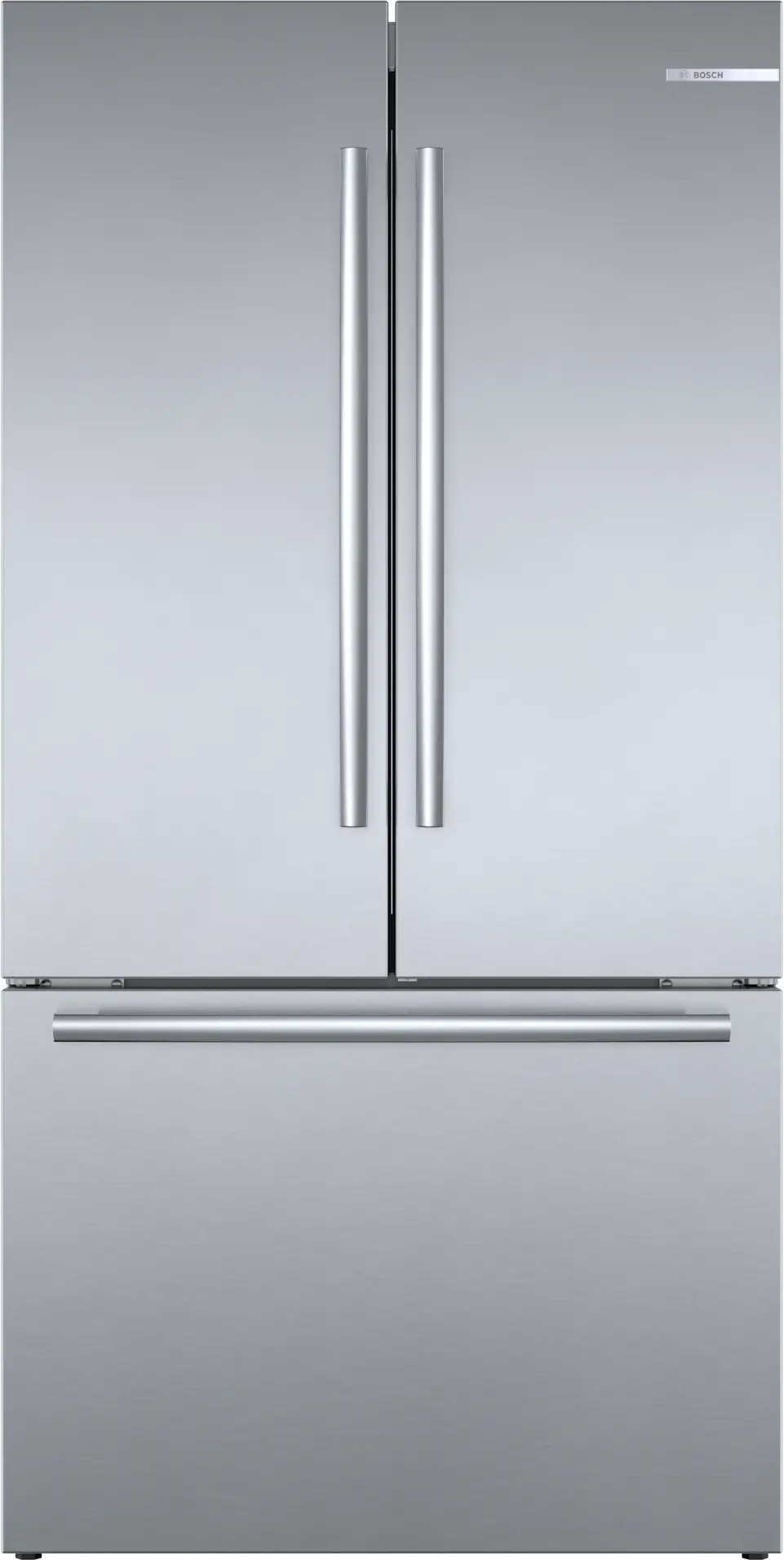
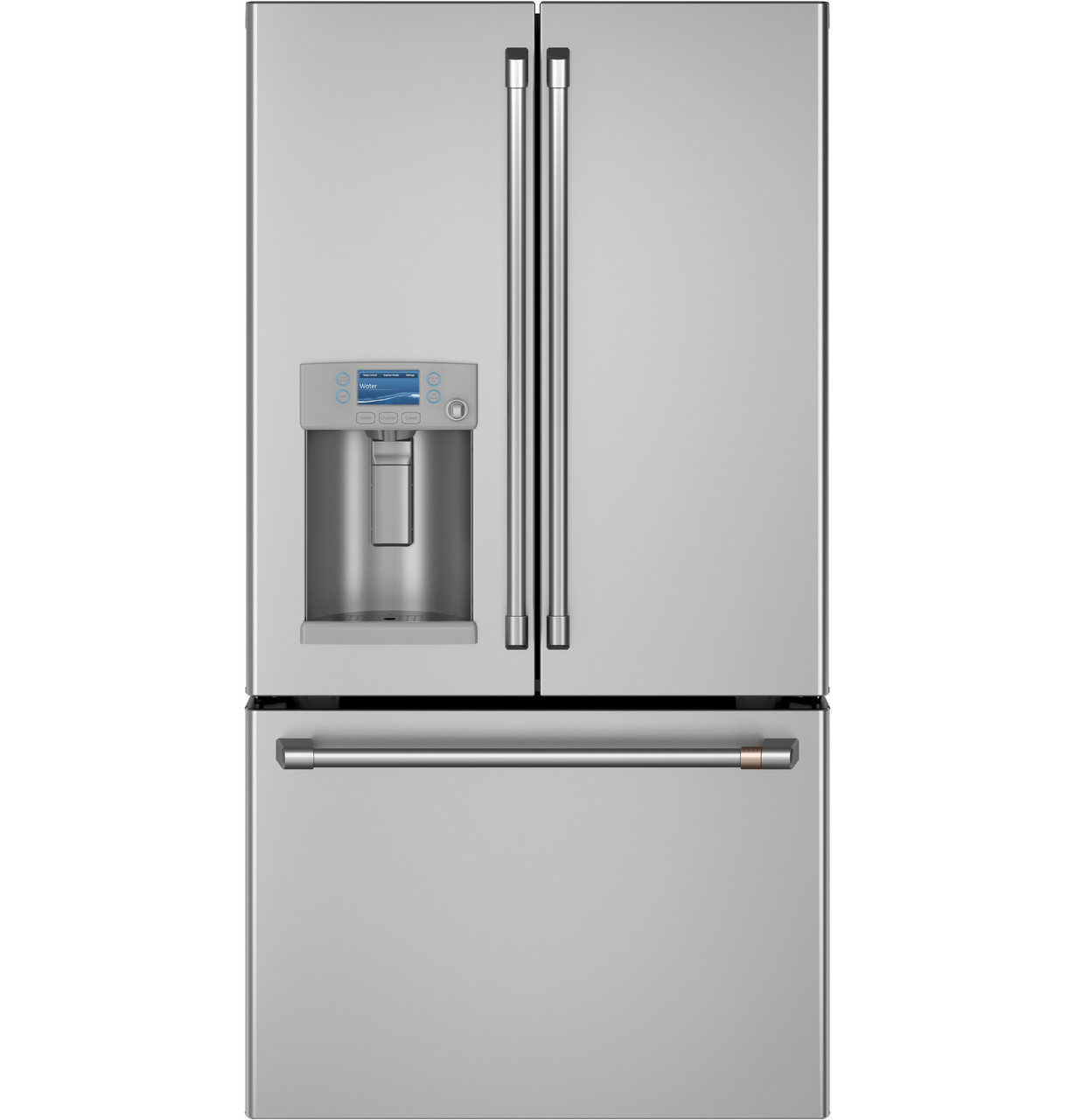
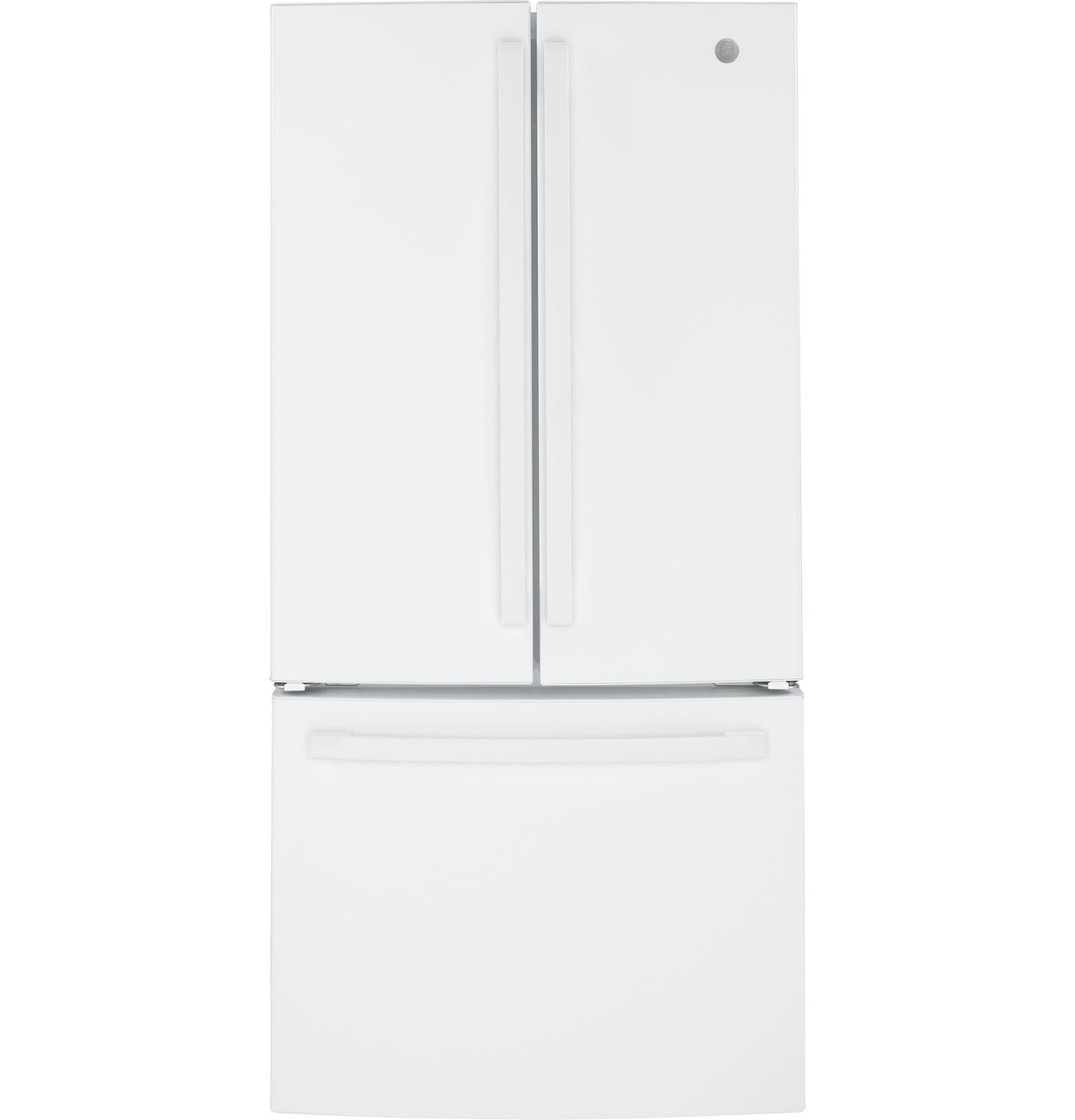
ApplianceIQ lists real, verified dimensions for the models below — including the depth and width numbers that determine whether a fridge actually fits and functions in your space. Check the specs before you fall for the photo.