How to Choose a Washer and Dryer: Why the Dryer Is the Real Bottleneck
People shop the washer and forget the dryer and the install decide everything. A former appliance operations manager on the laundry pair, the closet math nobody does, and why more detergent makes clothes dirtier.
By ApplianceIQ · Last updated Jul 5, 2026
Almost everyone shops for laundry the same way: they find a washer with a huge drum, picture fewer loads, and buy it. Having spent years on the operations side of Canadian appliance retail, I can tell you that's the core laundry mistake — you buy the washer, but the dryer and the installation are what actually control your laundry experience.
Here's how to buy the pair you'll be happy with.
Your washer isn't the bottleneck — your dryer is
This is the single most important shift in how to shop laundry. A massive washer drum feels like the upgrade, but it only determines how much you can wash at once. What determines how fast laundry actually gets done is the dryer — and the dryer is where the bottleneck almost always hides.
If your washer holds a giant load but your dryer is smaller, slower, poorly vented, crammed into a tight closet with bad airflow, or a ventless/heat-pump style that dries more gently and slowly, then that big wet load comes out of the washer and waits — because the dryer can't keep up. You haven't sped up laundry; you've just moved the traffic jam downstream. ENERGY STAR's own guidance pushes buyers to think about size, placement, stackable and under-counter designs, and combo units — not just drum capacity — precisely because the system matters more than the washer's headline number.
Shop the pair as a pair. Match the dryer's capacity and drying capability to the washer, and make sure your space actually vents and powers the dryer properly. A well-matched, well-installed pair beats a huge washer bolted to an overwhelmed dryer every time.
The capacity myth: a huge washer doesn't always mean fewer loads
Capacity numbers are real, but they don't translate as directly to "fewer loads" as people assume. You rarely fill a washer to max on every cycle — bulky items (comforters, pillows) take up volume without weight, delicate and specialty cycles don't use full capacity, and, again, your dryer may not be able to dry a max washer load in one go, forcing you to split it anyway.
So a bigger drum helps for genuine big-load weeks, but it isn't a linear "half the loads" win. Buy enough capacity for your real laundry volume and — critically — capacity your dryer can actually keep pace with. Oversizing the washer alone just creates wet laundry waiting for a dryer that can't match it.
More soap makes clothes dirtier: the HE detergent mistake
This one makes people instantly rethink what they're doing. Modern high-efficiency (HE) washers use far less water, and they require HE detergent. Using regular detergent — or too much of any detergent — is a genuine and common mistake with real consequences.
The American Cleaning Institute explains that regular detergent in an HE washer creates too many suds, and excess suds interfere with the tumbling action, reduce cleaning and rinsing effectiveness, lengthen cycles, and can cause residue buildup, odors, malfunctions, or even damage over time. In other words: more soap doesn't mean cleaner clothes — it can mean dirtier clothes, a smelly machine, and a shorter appliance life. Use HE detergent in an HE washer, and use less than you think you need. It's the cheapest way to make your machine clean better and last longer.
Stackable doesn't mean any washer and dryer can stack
People assume stacking is universal. It is not, and finding out at delivery is a bad day. To stack, you need compatible models (usually the same brand and matching widths), the correct manufacturer stacking kit, controls you can actually reach once stacked, door-swing clearance in the space, and enough closet depth and height. A dryer isn't safe simply balanced on a washer — it needs the bracket kit designed for that pair.
If a stacked configuration is your plan, confirm the exact models stack together before you buy, and budget for the stacking kit. Don't assume the washer and dryer you like will physically or safely stack.
Laundry closet math: the inches nobody measures
This is the laundry version of the refrigerator fit problem, and it sinks more installs than any spec. The usable space isn't just the washer and dryer footprints — it's washer depth plus the hoses and connections behind it, plus the dryer depth and its vent elbow (which pushes the dryer several inches off the back wall), plus door-swing clearance for both, plus walkway room to actually load and unload.
Before you buy, measure all of it: the opening width and depth, the door swing (and whether a reversible door helps), the height if stacking or if there are shelves above, and the vent path. Front-load doors need swing room; a dryer's vent elbow can add 4–6 inches of required depth behind it. The machines that "fit" on paper are the ones that come back on the truck when the vent won't clear the wall.
Front load vs. top load: the real question is maintenance personality
People debate this as efficiency vs. price. The honest framing is about maintenance personality.
Front loaders are typically more efficient, gentler on clothes, and higher capacity for their size — but they reward specific habits. They want you to leave the door open between loads, wipe the door gasket, and run a periodic clean cycle. Skip those and the classic front-loader complaint shows up: a musty smell from moisture and residue trapped in the gasket.
Top loaders are often lower-maintenance emotionally — the drum air-dries more naturally, there's no gasket to wipe, and they suit people who just want to do laundry without a care routine. They may use more water and be a bit rougher on fabrics, but for someone who won't keep up gasket maintenance, a top loader can genuinely be the better real-world choice.
So don't ask "which is better." Ask "am I the kind of person who'll leave the door open and wipe the gasket?" If yes, a front loader rewards you. If honestly no, a top loader will make you happier.
The bottom line
Shop the pair, and match the dryer and your install to the washer — the dryer is the real bottleneck. Buy capacity your dryer can keep pace with. Use HE detergent, and less of it. Confirm models actually stack before assuming they do. Measure the whole closet, vent elbow included. And choose front vs. top load based on the maintenance habits you'll really keep. The best laundry setup isn't the one with the biggest washer — it's the balanced pair that fits your space and your life.
Compare washers and dryers with real specs
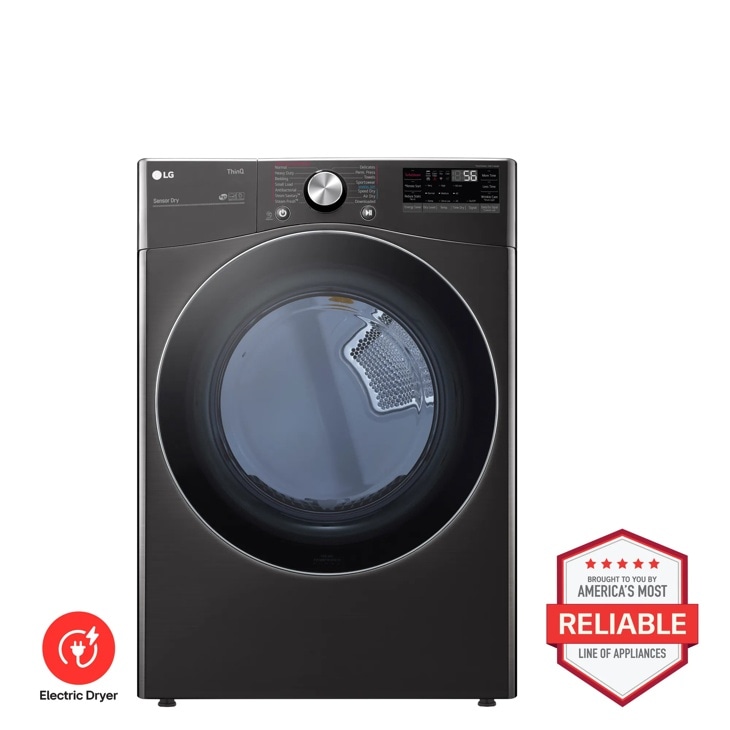
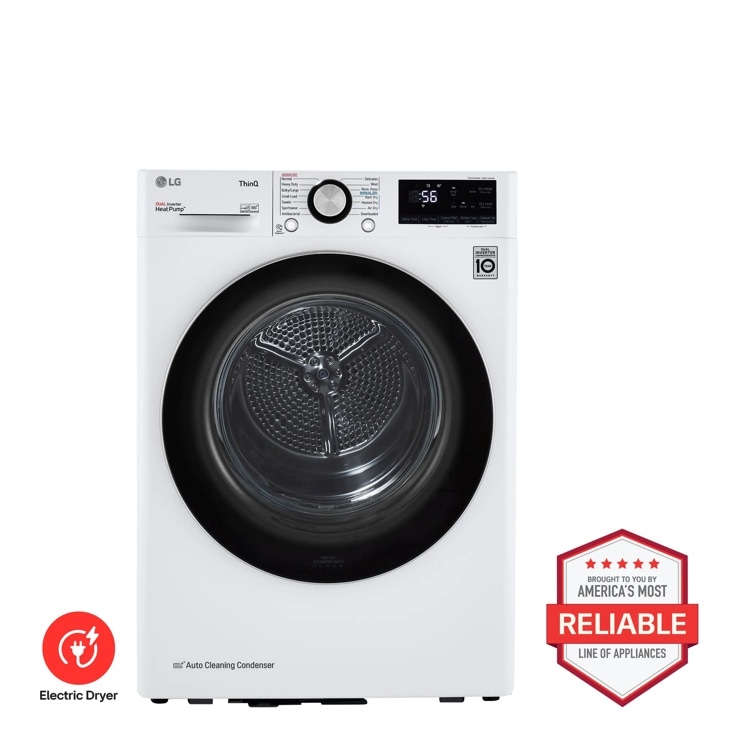
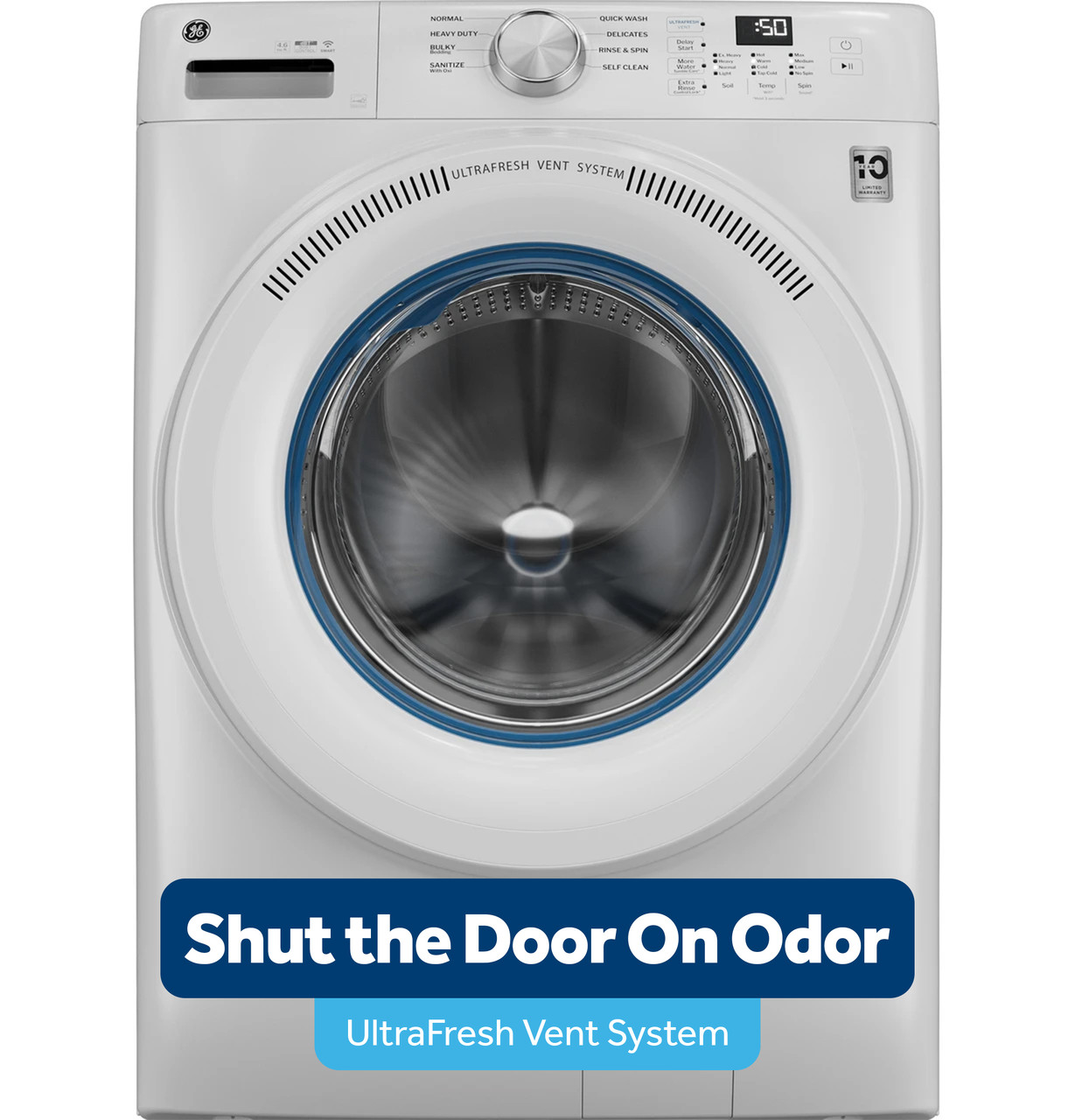
ApplianceIQ lists real, verified specifications for the models below — capacity, dimensions, and fuel type for dryers — so you can match the pair and check it fits your space before you buy.